Humanoid robotics
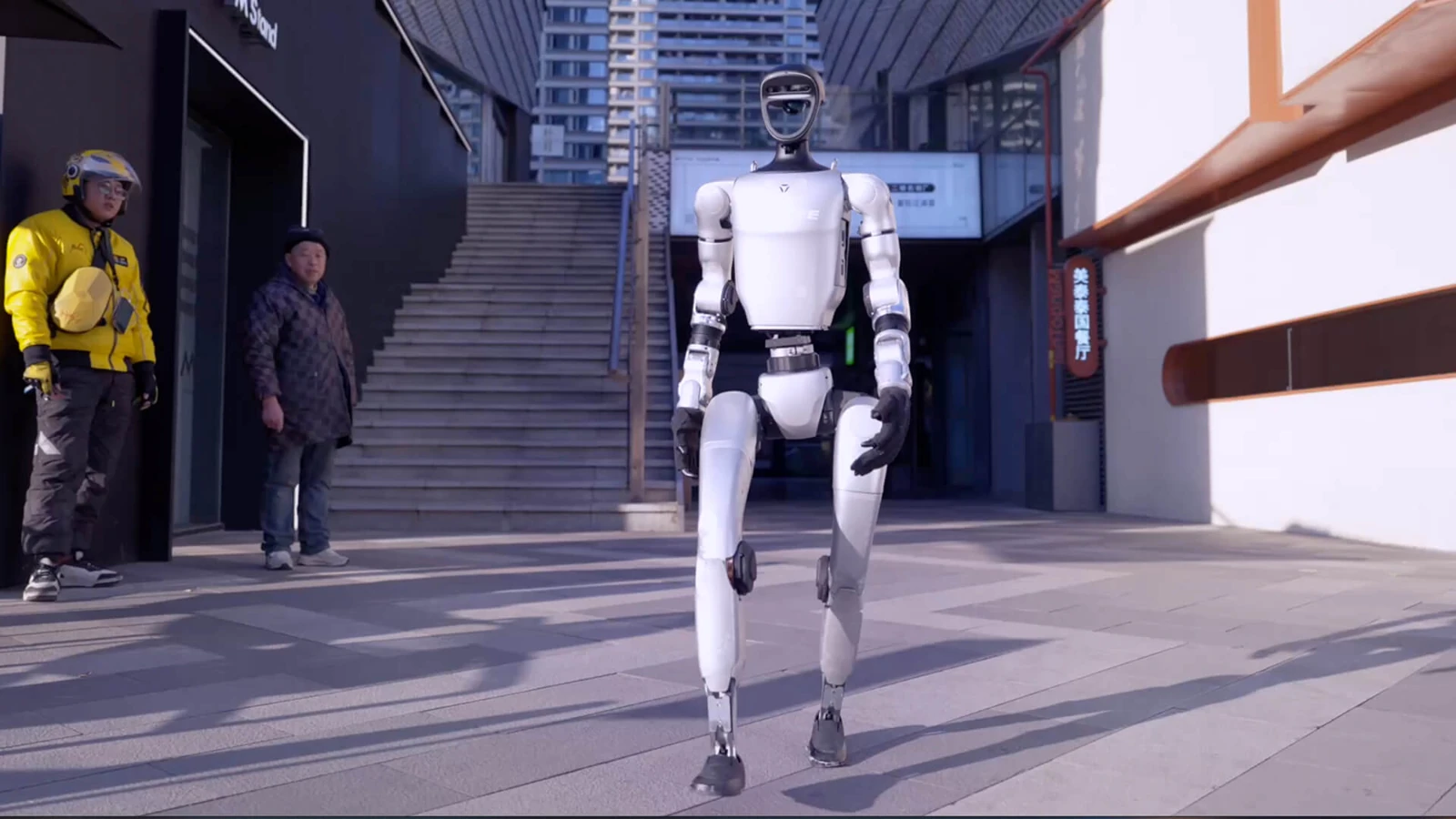
Unitree G1Human-shaped platforms for research, demonstrations and application development.

Ellitope Robotics helps public institutions and businesses put robots to work. We plan the system, connect it to existing operations and prepare the team to use it.
Explore our solutionsWe begin by understanding the task and the place where the robot will work. The choice of hardware follows that assessment, together with the software and site connections it needs.
Before work starts, we agree what the system needs to do, how it will be tested and who will be responsible for it. The plan also covers training and support.
Different robots for different kinds of work.
Human-shaped platforms for research, demonstrations and application development.
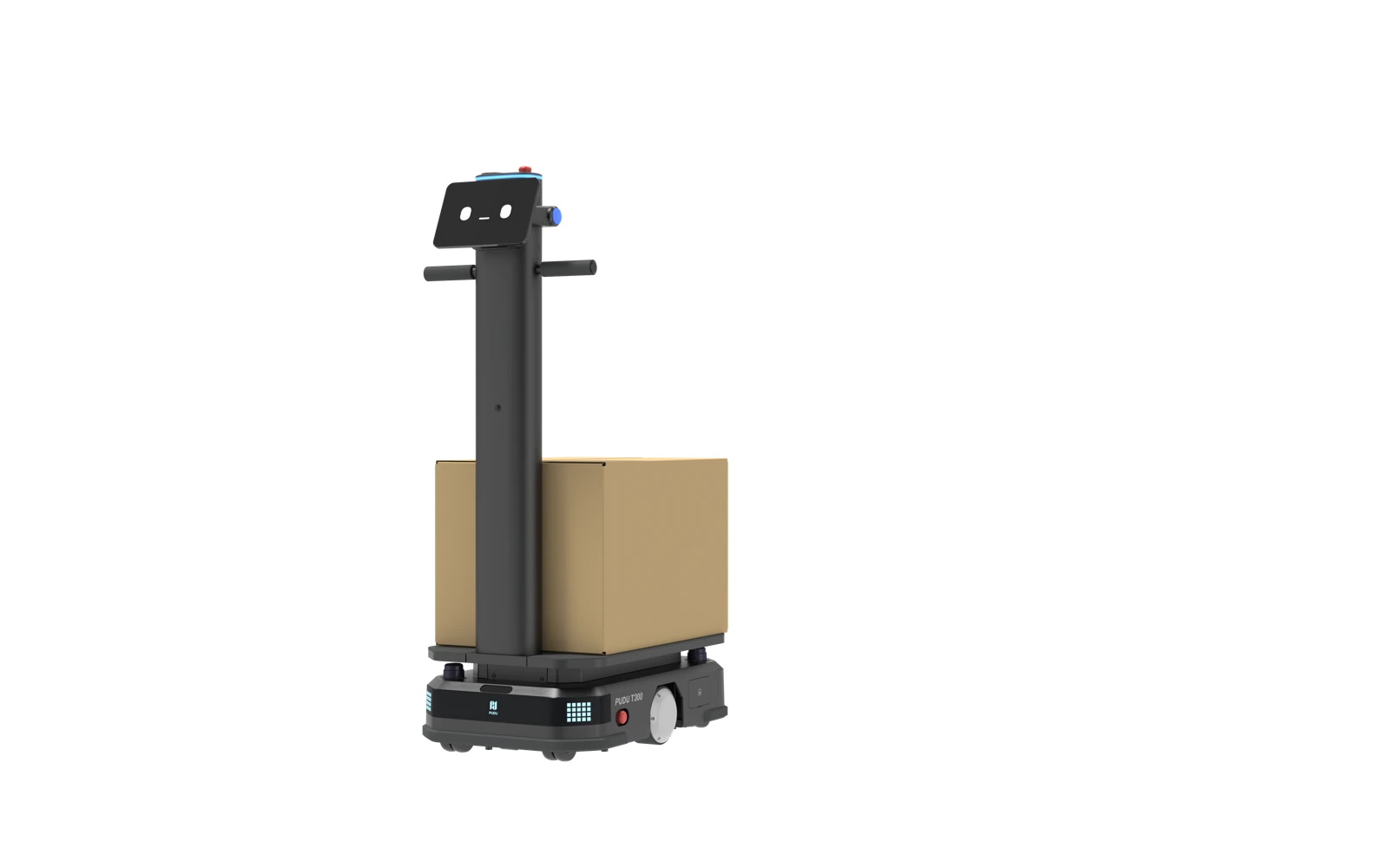
Wheeled platforms for material movement and logistics within facilities.
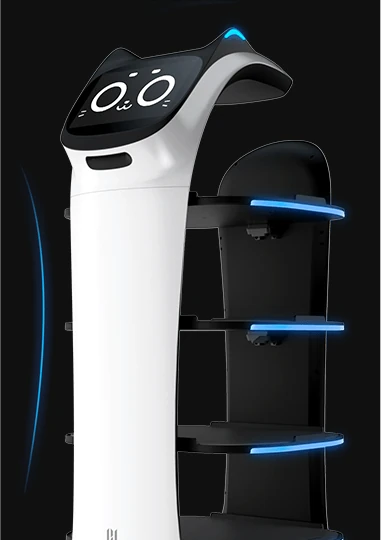
Delivery and interaction platforms for hospitality and public-facing environments.
Reference hardware illustrates the range of robot types. Platform suitability, configuration and availability are assessed for each project.
We select and connect platforms around the work they need to do.
The platform is chosen to suit the task.
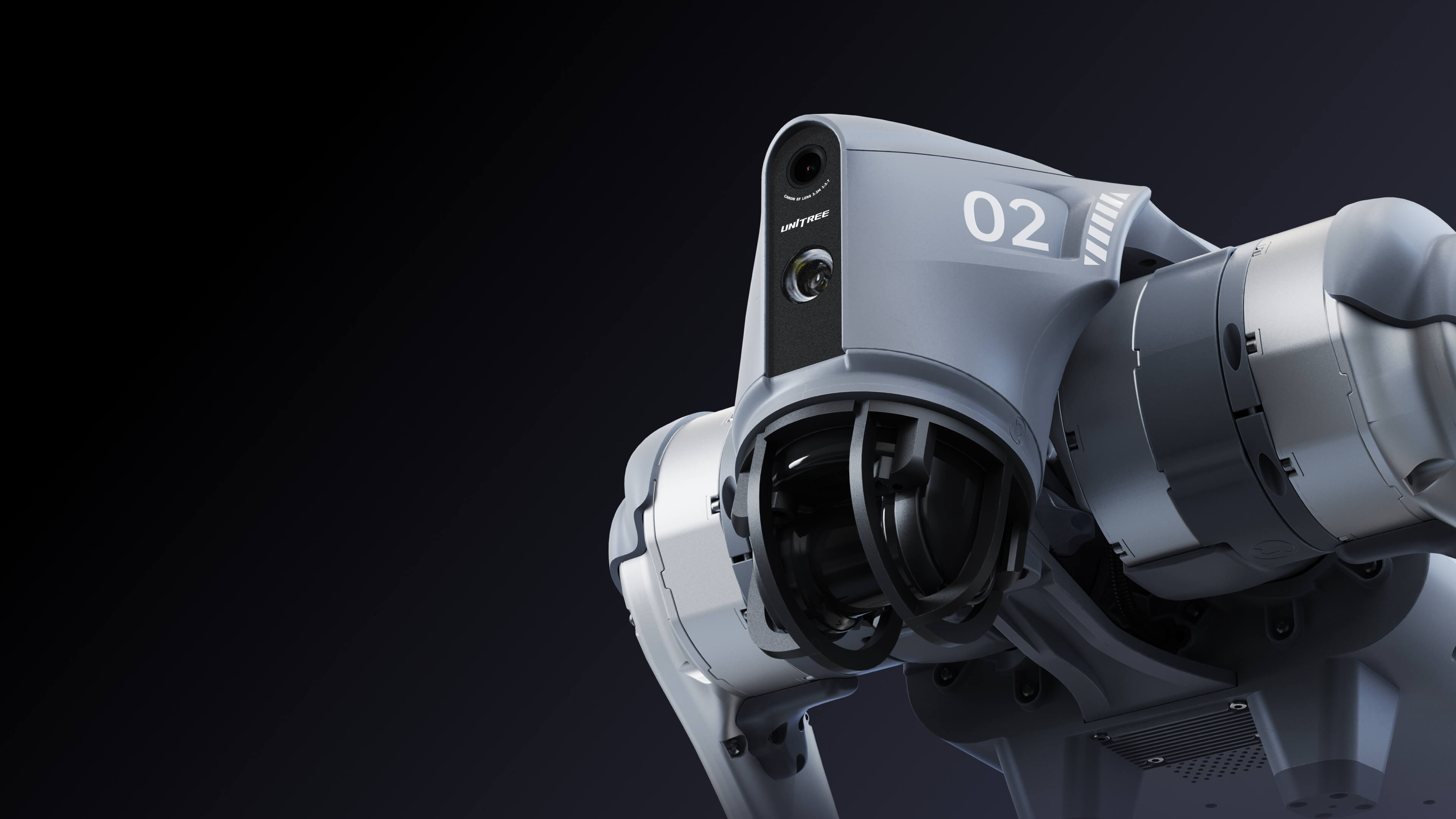
Use mobile robots to collect site information and inspect equipment from a distance. We define routes, sensors and operator oversight for the location.
Hardware imagery: Unitree, PUDU Robotics and Universal Robots. Hardware shown is an application example. Platform suitability, safety requirements and availability are assessed for each project.
Robots need to work with your equipment, software and operating procedures. We define these connections and identify who will operate and maintain the system.
We agree the scope and schedule before work begins.
Assess the task, operating environment, interfaces and commercial requirements. Establish a clear project brief.
Choose the platform, design the integration and agree measurable acceptance criteria.
Test the proposed solution against agreed criteria and representative site conditions before wider deployment.
Commission the system, train the operators and document the handover, maintenance and support arrangements.
Each project sets out what will be delivered, how it will be checked and what the client will need to operate it. These points are documented and agreed with the project team.
Define the environment, intended use, site interfaces, responsibilities and limits of the proposed system.
Agree the test conditions, acceptance criteria and evidence required before operational handover.
Establish data ownership, hosting requirements, access permissions and integration boundaries for the project.
Define operator training, maintenance responsibilities, documentation and support arrangements.
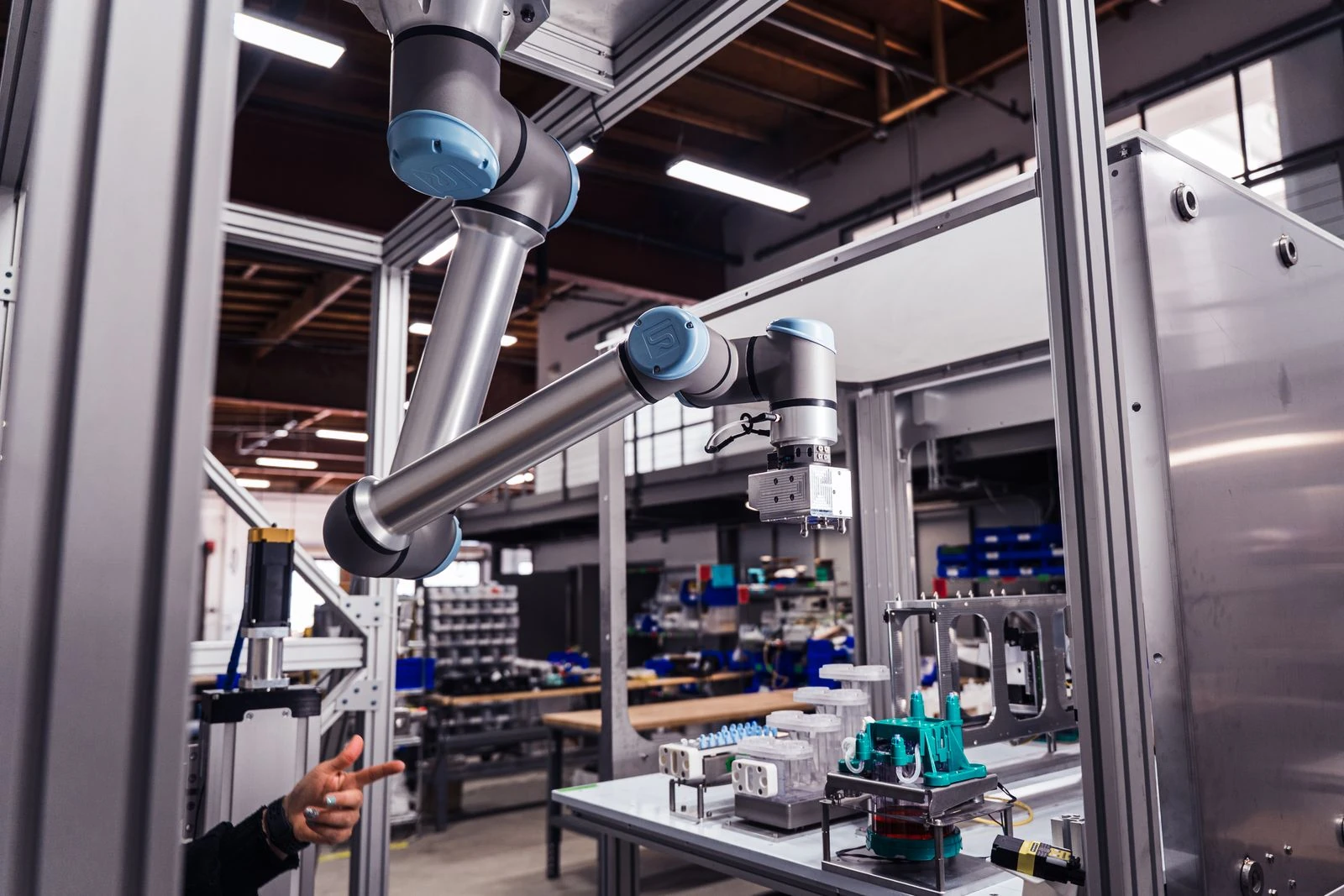 Industrial robotics
Start with a repeatable task, a clear operational problem and a measurable outcome. Share your environment, current workflow and constraints so the first discussion can focus on feasibility.
Existing equipment, software and site procedures are part of the initial assessment. Integration options depend on available interfaces, access requirements and the operating environment.
Yes. A project review can compare humanoid, wheeled, legged and fixed-arm platforms against the same operational objective. The comparison considers deployment conditions, interfaces, supervision and lifecycle requirements.
Provide a short description of the proposed mission, where the system would operate and the intended schedule. A designated technical contact and an outline of existing infrastructure will help focus the discussion.
For technical advice, a project review or a partnership discussion.